
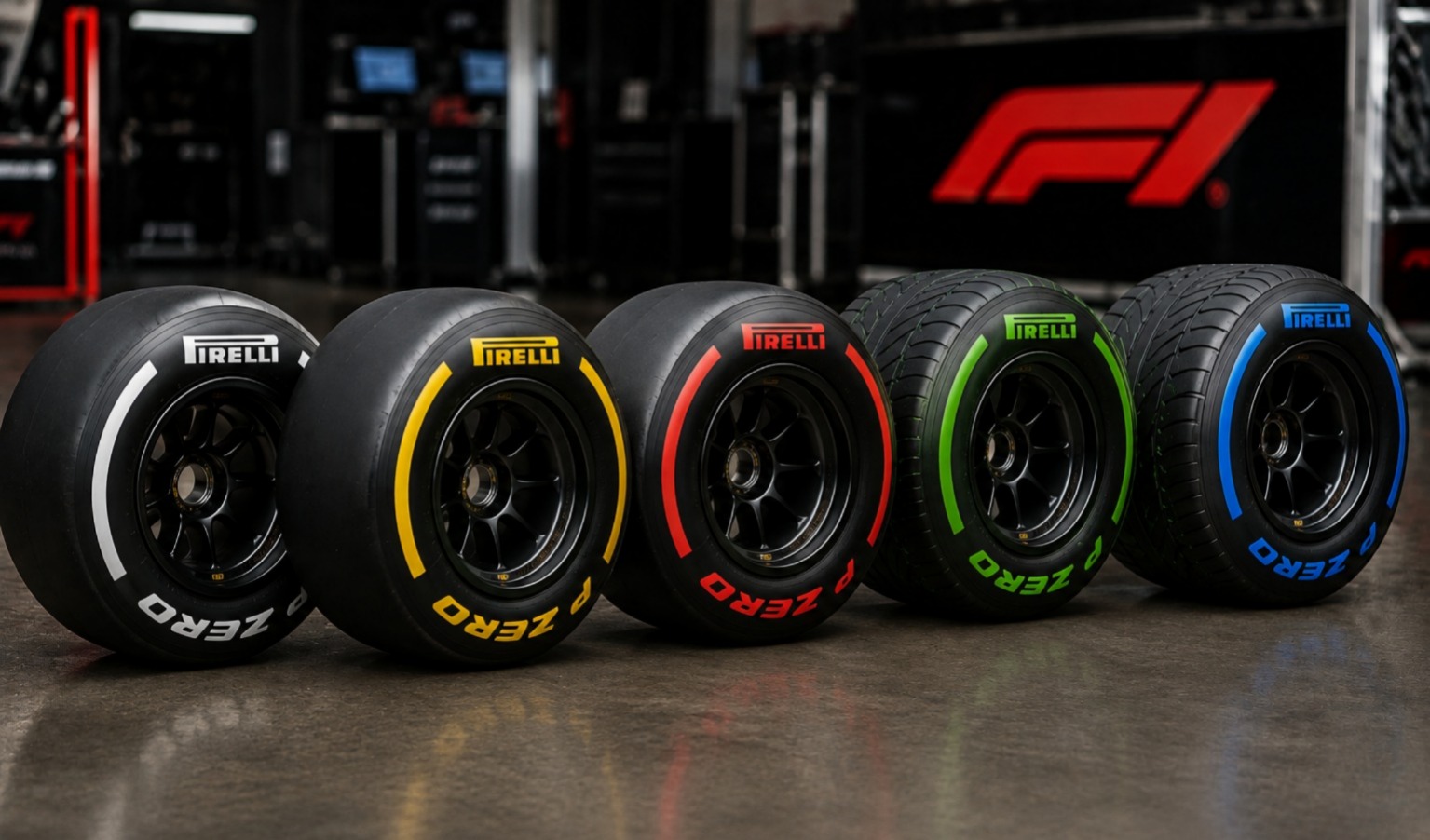
When encountering corners, or triggers, F1 teams put safeguards in place to ensure smooth and fast cornering.
The tires are the first point of contact with the track. They provide the grip that allows the car to turn. Teams carefully manage tire temperature, pressure, and load because exceeding the tire’s grip can cause the car to slide.
How does this relate to mental health?
A person in recovery also has to carefully manage their “tires – decisions,” when encountering triggers.
Tire temperature represents the intensity with which decisions are made. When we encounter a trigger, acting with too much intensity can cause us to lose control.
Tire pressure and load represent self-awareness. We have to recognize whether we are actually equipped to handle what comes with a particular decision when we encounter a trigger.
If we exceed our capacity, we can begin to slide.
When encountering triggers, the intensity with which we make healthy decisions, combined with the self-awareness to know what we can and cannot take on determines whether we keep or lose our sobriety.
F1 And Mental Health.