
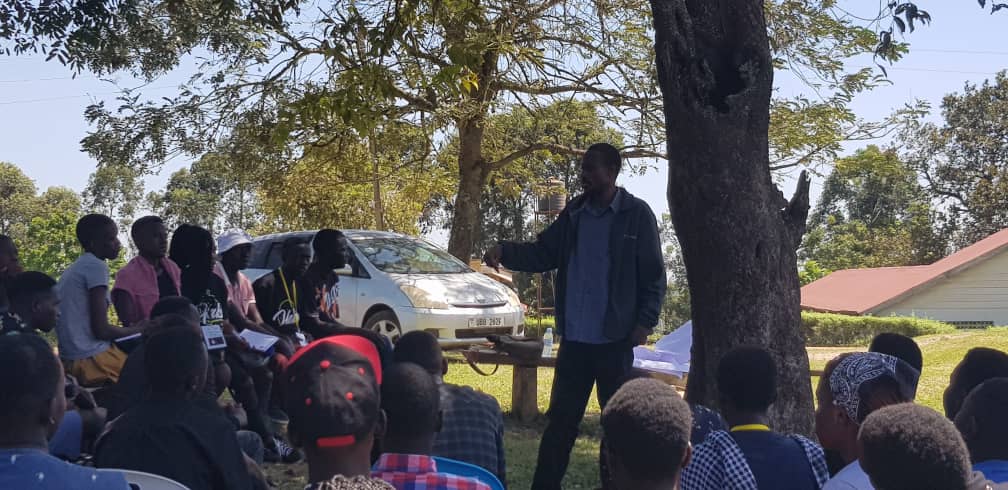
Overcoming addiction is more about empowering the stakeholders—the ones who are most vulnerable to it.
Some countries have put in extreme effort to enforce stringent drug laws, tackling the drug problem from the supply side. Ironically, drug use is on the rise. What does that tell us? When someone wants a drug, no amount of supervision or control or regulation can stop it. When there’s great demand for something, stifling the supply will not cut it.
I believe more in empowering stakeholders (in this case, students). Availing them the tools and resources needed to say no in cases where they are tempted to use or abuse drugs. When their self-esteem is empowered, they easily say no, and instead choose to focus more on their studies, being the best they can be at their point of growth.
Interventions should be emphasized on building self-esteem when it comes to young ones. This greatly cuts out demand by directly addressing the need to escape into substances of behaviors. Students become aware of healthy coping (I’d love to say ‘thriving mechanisms’) mechanisms available to them that do not compromise their worth and esteem.
Recovery and rehabilitation is flooded with what to do after the milk has been spilled. Clean ups, controls, and so on.
We haven’t yet fully embraced the realization that the milk doesn’t have to spill.
But then again, there should be an effective plan to clean it up if it spills—the same method that is embraced to prevent works perfectly in redeeming after the milk has spilled—that’s equipping people with the necessary tools they need to improve their self-esteem.