
Working with the police to track down the robbers opened my eyes in unexpected ways. It gave me a front-row seat to the real situation on the ground, to what’s actually being done to curb crime, and more importantly, why it continues to rise, especially now. I want to share some of what I learned.
One of the biggest and most overlooked reasons is the lack of mental health awareness. Let me break that down in the next few paragraphs.
The lack of mental health awareness shows up in how little we understand self-esteem; both in those who commit crimes and in those who are meant to prevent them.
When someone has low self-esteem, they become highly vulnerable to peer pressure. Over time, this pressure pulls them into dangerous choices and destructive environments. With no sense of worth, it’s easy to follow the crowd, even if the crowd is headed into darkness. A person with low self-esteem will often make the worst decisions about who to trust, who to listen to, and who to walk with.
Thus, the strong pull into criminality.
When it comes to those who are supposed to prevent crimes, a low self-esteem plays out in being easy to compromise; in most cases, by a promise of quick financial gain.
A person with a healed self-esteem will not compromise due to the awareness of their worth; which is more than the get-by money can offer them. In other words, a person with a healed self-esteem is honest in all their ways.
Policy makers often overlook the psychological impact of the tough laws they create. When viewed through the lens of reverse psychology, these harsh penalties can unintentionally make criminal activity seem more attractive, even more lucrative.
Take drugs, for instance. Few underground trades are as profitable. Why? Because the laws surrounding them are severe. The higher the risk, the greater the promise of financial reward. Tough laws raise the stakes, and in environments where dignity, opportunity, and support are lacking, high-risk ventures start to look like smart options. To someone with nothing to lose, crime starts to feel like courage, not recklessness.
Legal systems often focus heavily on punishment while offering very little in terms of rehabilitation. The emphasis is on penalty; not healing, not reintegration, not transformation. And because of this, those who get caught in crime are often left hanging.
Once the sentence is served, what next? There’s no guidance, no structured support, no hope. Many return to the same broken environments, with the same wounds, and fewer opportunities than before. They either come out unchanged or worse; more hardened, more desperate. And so, the cycle continues. Crime is punished, but never truly addressed.
There’s also a clear lack of street-smartness among those who draft policies to penalize crime.
On the streets, it’s common knowledge: prison doesn’t just punish; it educates, but in the worst way possible. Inside, many are exposed to stronger, darker criminal networks that pull them in deeper.
It’s not just the connections, it’s the mindset. In prison, people absorb an underground education: tactics, street codes, ways to beat the system. It rubs off. And so, instead of coming out rehabilitated, many return to the streets more dangerous, more hardened, and more courageous to do even worse than before.
In speaking with some of the people caught in the system, I noticed something heartbreaking: many had given up on humanity. They believed the world and people are just getting worse. But that’s not the truth. People do change, if they’re given the right tools.
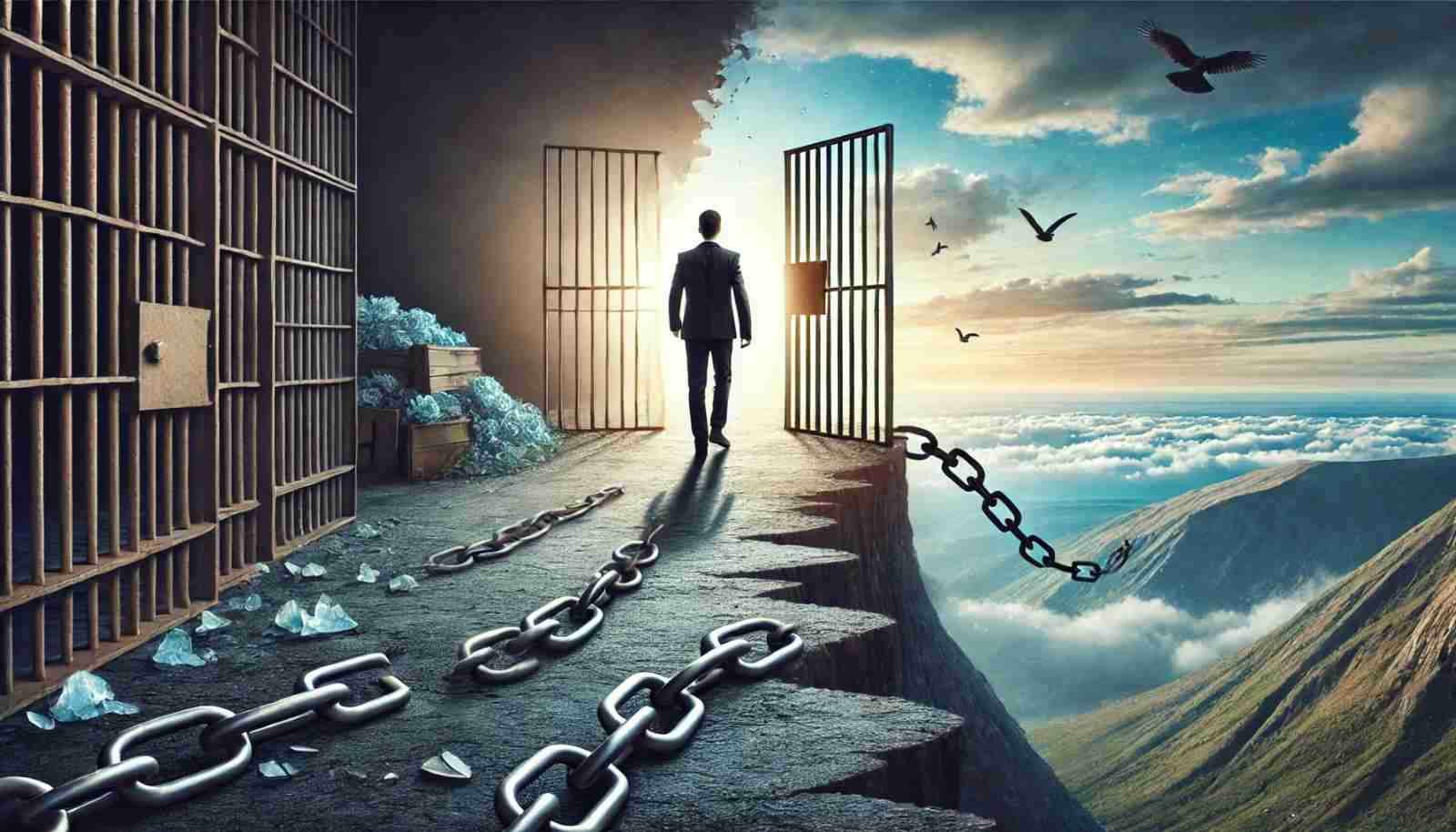
The problem is, without mental health awareness, those tools are hard to come by. In most prisons, there’s little access to counseling, coaching, or genuine rehabilitation. What’s needed is a system driven not just by punishment, but by unshakable belief in human potential; the belief that people can recover, that they can rise again.
I speak from experience.
There was a time when I was written off, despised, abandoned, and believed to be beyond hope. But that’s not the case today. I’ve changed. I’ve recovered. And I’m living proof that others can too.
These are just some of the insights I picked up while working alongside the police to track the robbers. What started as a search for justice opened my eyes to the deeper wounds behind the crime, and the deeper healing that’s still possible.