
Many people limit mental health to counselling or therapy, but it’s far wider than that.
It encompasses every field the mind, skill, aptitude, emotion, thrill, and pursuit touches. All things in the world are a reflection of things within us, in our souls. To reveal how they are mirrored and how it all connects is the end goal.
In recovery, the goal is always balance.
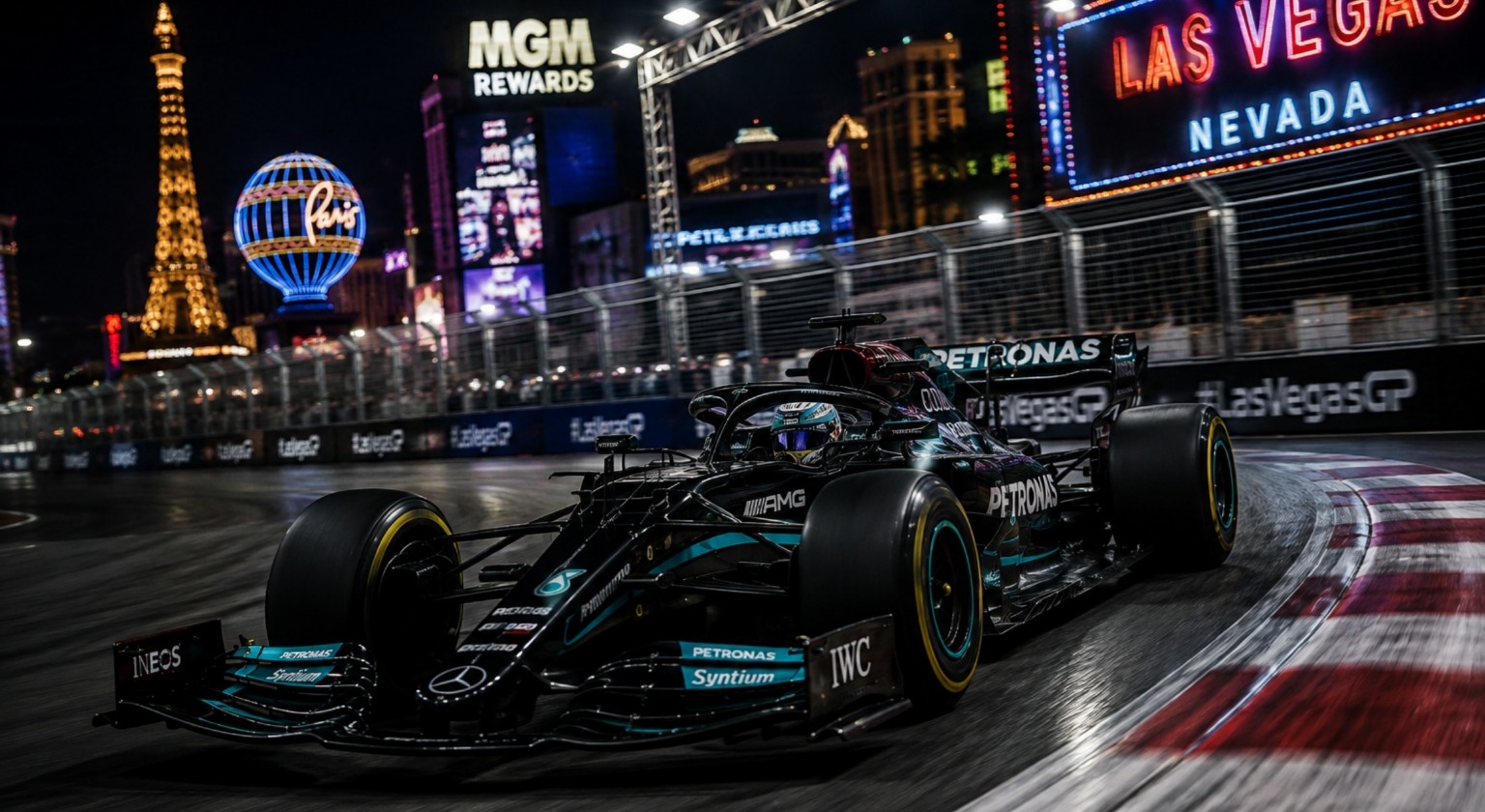
Think about how an F1 car’s tyres meet the track: the intimacy between rubber and asphalt at 300+ km/h. When that connection is off, you lose grip and slide. When it’s aligned, you flow through the corner with precision. Thriving in life works the same way: applying the right amount of energy, wisdom, and awareness so nothing throws you off the racing line.
That’s why correlating F1 components with mental-health and recovery principles brings the idea to life so powerfully.
Here are key ways this comes alive:
1. Differential – Prioritized Decision-Making:
Allows the inside and outside rear wheels to rotate at different speeds through a corner. Some decisions (protecting your recovery and peace) must take priority and happen faster than others (managing someone else’s feelings), while both remain valid. Secure your stability first so you can handle the rest later.
2. Halo – Trust and Dependence on God for Protection:
The titanium structure that shields the driver in unexpected crashes. Faith provides strength, protection, and peace when life throws sudden impacts.
3. Headrest – Commitment to Follow Through with Healthy Boundaries:
Protects the driver’s head in high-speed impacts. Healthy boundaries serve the same purpose; a firm commitment that cushions against emotional injury, toxicity, or violation.
4. Driver Seat – Discovering Your Unique Path to Healing:
Custom-moulded to each driver. You cannot get (or stay) sober seated in a seat moulded for someone else. Healing requires finding your path, temperament, and design.
5. Dampers (Shock Absorbers) – Healthy Coping Mechanisms:
Control movement and stability over bumps. They represent the tools that help manage life’s impacts without losing sobriety or composure; acceptance over pure defensiveness.
6. Anti-Roll Bar – Spot-Check Inventory:
Maintains balance and limits body roll. A practice of pausing to examine what is happening within, keeping emotional and spiritual balance.
7. Front Wing – Intention to Heal:
Generates downforce that keeps the car grounded and is the first surface to meet the air. A genuine intention to heal creates emotional downforce, shapes decisions, and keeps you stable under pressure.
8. Tires – Grip in Decision-Making / Wisdom in Execution:
Where power meets the track. Proper temperature and compound deliver traction. Inspired guidance and counsel heat the “tyres” for steadier, higher-grip choices.
9. Brakes – Wisdom and Prudence:
Shedding speed before a corner so you can turn cleanly. Knowing when to slow down, restrain emotion, or stop accelerating into a trigger.
10. Chassis – Hope:
The foundational structure. Hope is the chassis of healing; it gives structural integrity, creates movement, and lifts a person out of despair when joined with intention.
11. Engine Cover – Protection Through Surrender:
Shields critical components. Protection that comes from complete surrender to the truth that only God can restore one to sanity.
12. Diffuser / Beam Wing – Wisdom to Let Go and Let God:
Manages airflow underneath and helps rear elements work together. The wisdom to release control and allow higher forces to work effectively.
13. Endplates – Broadening Breadth of Mind and Heart:
Manage airflow, reduce drag, improve performance. Expanding openness channels inspiration into purposeful action.
14. Ride Height – Assertiveness and Emotional Stability:
Operating within the correct aerodynamic window. Humility + healthy assertiveness keep you grounded and stable through triggers.
15. Wheel Alignment – Aligning Decisions with Healing Goals:
Affects turn-in, grip, and overall performance. Decisions must be aligned with recovery rather than old patterns.
16. Aerodynamics – Adaptability / Breaking Through Resistance:
Managing drag and generating downforce. Awareness of psychological forces against you (shame, fear, anxiety, discouragement) and the agility to reduce their resistance.
17. Fuel / Energy Store – Emotional and Spiritual Reserves:
Motivation, drive, passion, focus, wisdom, inspired guidance, and blessing; the power to keep pushing for the full race distance.
18. Steering / Controls (including 26 adjustments) – Emotional Regulation & Versatility:
Fine inputs for brake balance, differential, engine braking, etc., across different phases of a corner. Knowing how to modulate intensity and adapt responses to different “terrains” (grief, joy, confrontation, celebration).
19. Dashboard / Telemetry – Self-Awareness & Reflection:
Real-time data on pace, temperatures, loads. Tracking emotional pace, energy levels, and mental load; inventory and introspection without having to stop the car completely.
20. Pit Crew / Team – Community, Support & Accountability:
The power of united passion, mentorship, transparency, and the people who keep you on track and help you recover after a setback.
21. Coolant / Thermal Management – Conflict Resolution:
Healthy systems for when things get heated so the car (or soul) does not overheat and fail.
22. Exhaust / Energy Recovery Systems – Emotional Release:
Healthy outlets that release pressure without destroying performance — crying, venting, praying, creating, processing.
23. Idling / Low-Speed Running – Stillness and Meditation:
Solitude, peace, and inner calm when not flat-out.
Other Concepts:
1. Navigating Corners:
Facing triggers, setbacks, losses, and disappointments with grip, stability, and control rather than spinning.
2. Green / Yellow / Red Flags:
Signals of healthy progress, caution, and the need to stop or reassess.
3. Weight Transfer & Management:
Using forgiveness to release the weight of resentment, guilt, and old pain so the car stays predictable.
4. Max Verstappen vs 100 Go-Karts:
Lessons in sponsorship, skill under pressure, and handling multiple simultaneous threats in recovery.
5. F1 Driver Training:
The demanding blueprint of confronting yourself, changing patterns, and building resilience.
6. Race Progress / Stints:
Measurable progress on the long journey of healing and growth.
7. Mechanics / Rebuilds After a Crash:
Rising after a fall; resilience and the willingness to fix what is broken.
Racing as an Escape vs Racing as Therapy:
When someone at home annoys you and you rush to the simulator or the track angry, and the session calms you, that can be racing as an escape.
But when you work through the conflict first, gain peace, and then carry that peace into the car, that is racing as therapy.
In one instance the sport is a drug. In the other, it is a discipline of peace and precision.
Balance remains the goal: the right energy, the right wisdom, the right awareness; so you stay on the racing line of recovery and life.
This is a summary of F1 And Mental Health.