
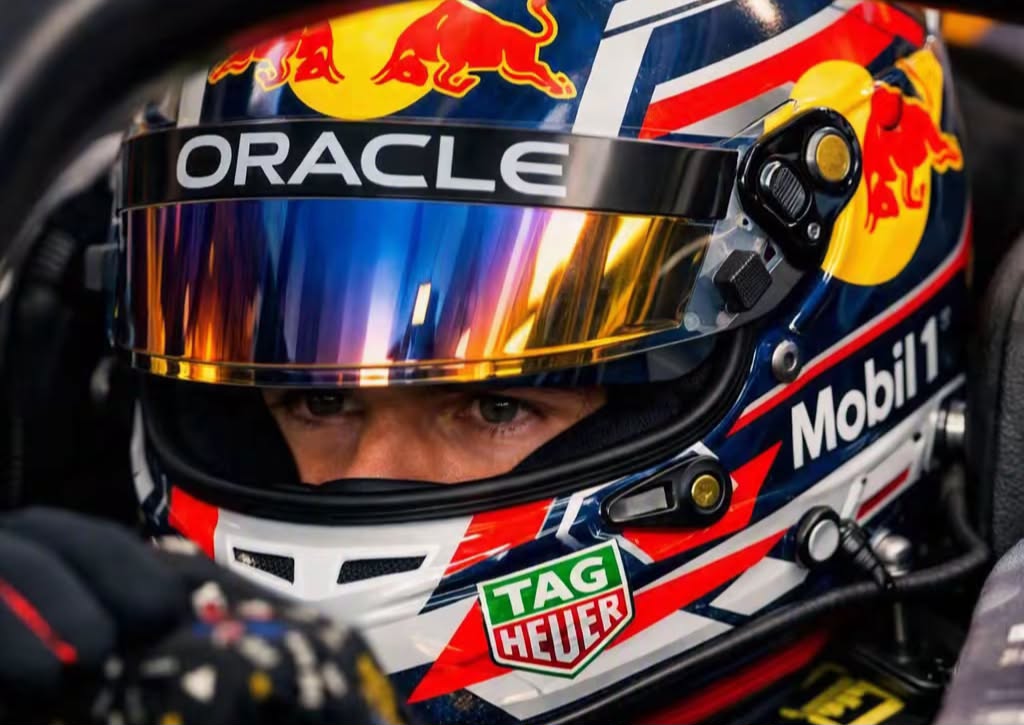
A helmet protects a rider from head injuries. In the same way, mental health resources protect us from emotional blows. In the mental health and recovery journey, emotional blows are moments that trigger us to react or act in unhealthy ways: words spoken carelessly, old wounds reopened, or situations that strike at our most vulnerable places.
When someone close to us says something painful, and we lack emotional protection, we can easily run to substances or destructive behaviours to numb the pain. Without a helmet, the impact is direct. With the helmet in place, however, the blow is absorbed, and the damage is reduced.
When I used to drink and smoke, I wasn’t wearing a helmet. In other words, I didn’t have the right tools or resources to protect my emotions. Arguments with my mother triggered me deeply, and instead of processing the pain in a healthy way, I turned to alcohol and drugs to find peace, or what I thought was peace.
When I got sober and began to go deep into recovery, I was finally introduced to the tools I needed. These tools became my helmets: forms of emotional protection that helped me face life without being knocked off course every time I was hurt.
Here are some of the helmets I’ve learned to wear:
1. Forgiveness:
Walking in continual forgiveness has protected my mind and emotions from repeated blows. Forgiveness addresses resentment, and resentment intensifies emotional pain. Letting go doesn’t excuse the hurt; it frees me from carrying it.
2. Humility:
Pride amplifies emotional pain. Growing in humility has given me emotional cushioning. It allows me to listen, learn, and respond rather than react.
3. Honesty:
Lies leave our emotions exposed. Living honestly in all my affairs has given my inner life protection. Truth creates safety; secrecy creates vulnerability.
4. Setting Healthy Boundaries:
Boundaries are not walls; they are protection. Learning where to draw the line has helped me guard my emotional wellbeing without shutting people out.
These are some of the helmets I’ve embraced to protect my emotions as I ride this race track called life. The ride isn’t always smooth, but with the right protection, I can keep progressing confidently: steady, healing, and growing.
When we see a helmet, we immediately think of protection. We understand its purpose without explanation: it shields what is vital before the impact comes.
I invite you to see the helmet as more than riding gear. See it as a reminder.
Just as a helmet protects a Formula 1 driver’s head from physical injury, mental health resources protect the mind from emotional harm. Life delivers blows: harsh words, betrayals, abandonment, rejection, trauma, stress, and loss. Without protection, the impact can push us towards unhealthy reactions, isolation, or self-destruction.
Embracing the tools and resources available in mental health is not weakness. It is wisdom. Honesty, forgiveness, and humility are some of the tools designed to protect our emotions from injury.
In Formula 1, drivers prepare for the dangers of the track before they get behind the wheel. In life, we must also prepare for the emotional challenges we may encounter along the way.
We prepare for visible dangers. Now it’s time to prepare for the unseen ones, the ones of the soul.
Safety above all else.