
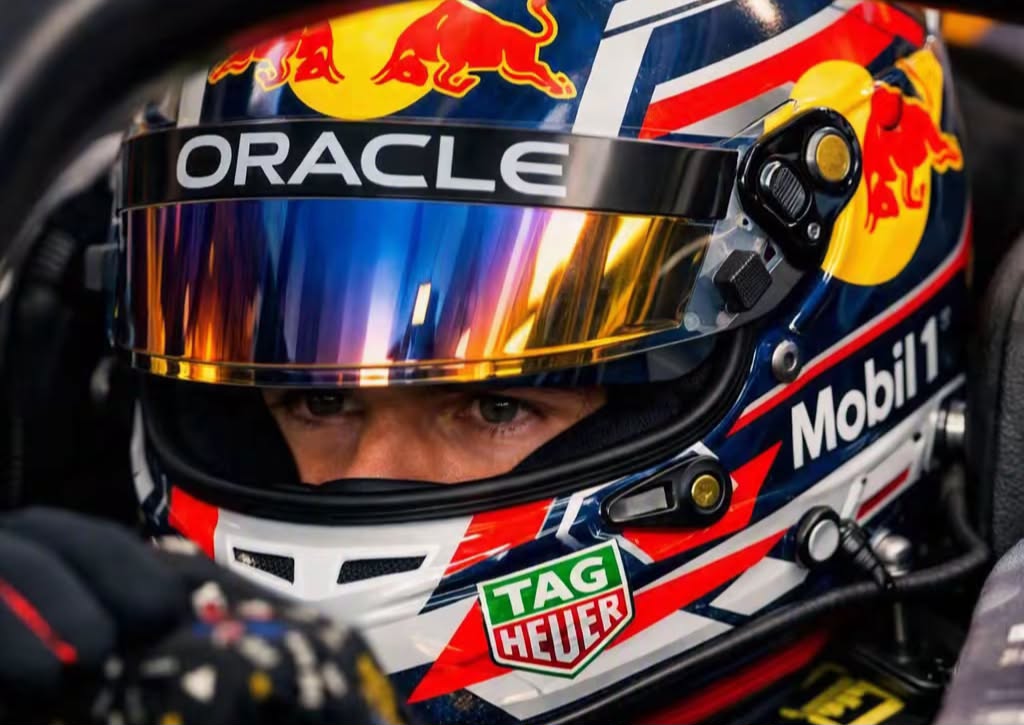
An F1 driver invests a substantial amount of time in training to strengthen their neck muscles. During high-speed cornering, drivers experience significant G-forces that push their heads sideways and forwards. They strengthen their necks to keep their heads stable and maintain their vision.
They also train for cardiovascular endurance, reaction time, coordination, and cognitive performance. They practise in simulators, engage in mental training, and work on their core and overall body strength.
In simple terms, an F1 driver invests a lot of time in training. Time devoted to training is time taken away from other things. I imagine they have to make sacrifices in their social lives and limit the time they spend on other activities to accommodate their training.
Similarly, a person who is intentional about healing and growth must invest substantial amounts of time in the process. In many ways, healing and growth can be even more demanding than driving an F1 car because they require us to confront ourselves, address deep-rooted wounds, change established patterns, and become better versions of ourselves.
They must train their necks to bear the gravitational pull of their vision.
What do I mean by this?
A person might have a vision of complete healing, but their neck may not be strong enough to bear the gravitational pull of the turn from who they are today to who they want to become. Their vision may be clear, but they need to develop the strength to withstand the pressures that come with pursuing it.
They need cardiovascular training to strengthen and establish what pumps revelation, motivation and inspiration into their being; being driven constantly by it to keep going.
They also need to train their reaction time and coordination, especially when navigating triggers. They must learn to recognise what is happening within them and respond appropriately in the moment. Sometimes, that means drawing a healthy boundary, praying, conducting a spot inventory, or taking another action that protects their progress.
These are just some of the things a person must invest time in as they heal and grow.
Your vision of who you want to become is important, but you must also invest in developing the strength, endurance, and skills required to get there. This analogy paints a picture of how you can do it using an F1 Driver’s training blueprint.
F1 And Mental Health.