
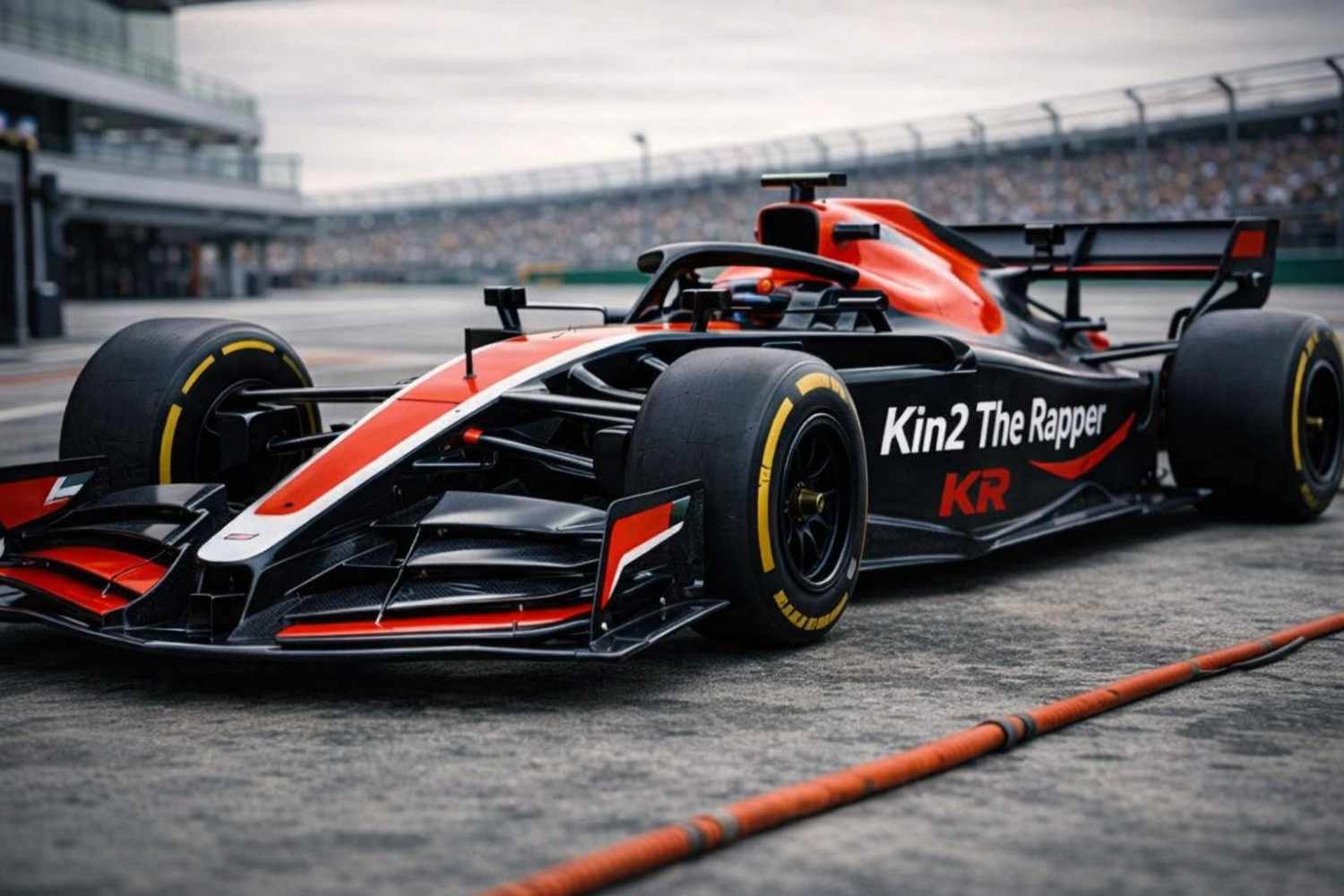
Turning vanes are aerodynamic fins located beneath the nose of an F1 car. Their job is to redirect and organize airflow coming from the front wing, guiding it toward the floor, sidepods, and diffuser. They also create vortices that help keep turbulent air away from the floor, allowing it to generate more downforce. Though small, turning vanes play a vital role in maximizing aerodynamic efficiency and overall car performance.
An emotional or mental concept that turning vanes can represent is teachability.
It may appear insignificant at first, just like the turning vanes themselves, yet it plays a crucial role in channeling inspiration and motivation into meaningful direction.
An aerodynamicist once described the floor as the “heart” of the car’s downforce. The turning vanes are like the arteries that feed it.
In the same way, teachability feeds the system of humility (downforce), giving it the stability needed for progress, speed, and control in a healing journey.
Teachability helps redirect airflow (inspiration and motivation, or what one might call spirit) toward the right areas in the psyche of someone intentional about healing. This allows maximum downforce to be generated (stability and growth).
When the turning vanes are faulty or not well aligned, there’s less downforce, there’s reduced ground effect performance (a weakened grounding effect of humility), there’s increased turbulence (the intensity of emotional growth gets out of hand), there’s unstable handling (confusion and misdirection), and there’s tire degradation (poor decision making).
As turning vanes are crucial to an F1 car, teachability is essential to a healing journey, quietly shaping direction, strengthening stability, and turning experience into grounded, lasting growth.
The wise will hear and increase their learning, And the person of understanding will acquire wise counsel and the skill [to steer his course wisely and lead others to the truth], [Prov 9:9]
Proverbs 1:5 AMP