
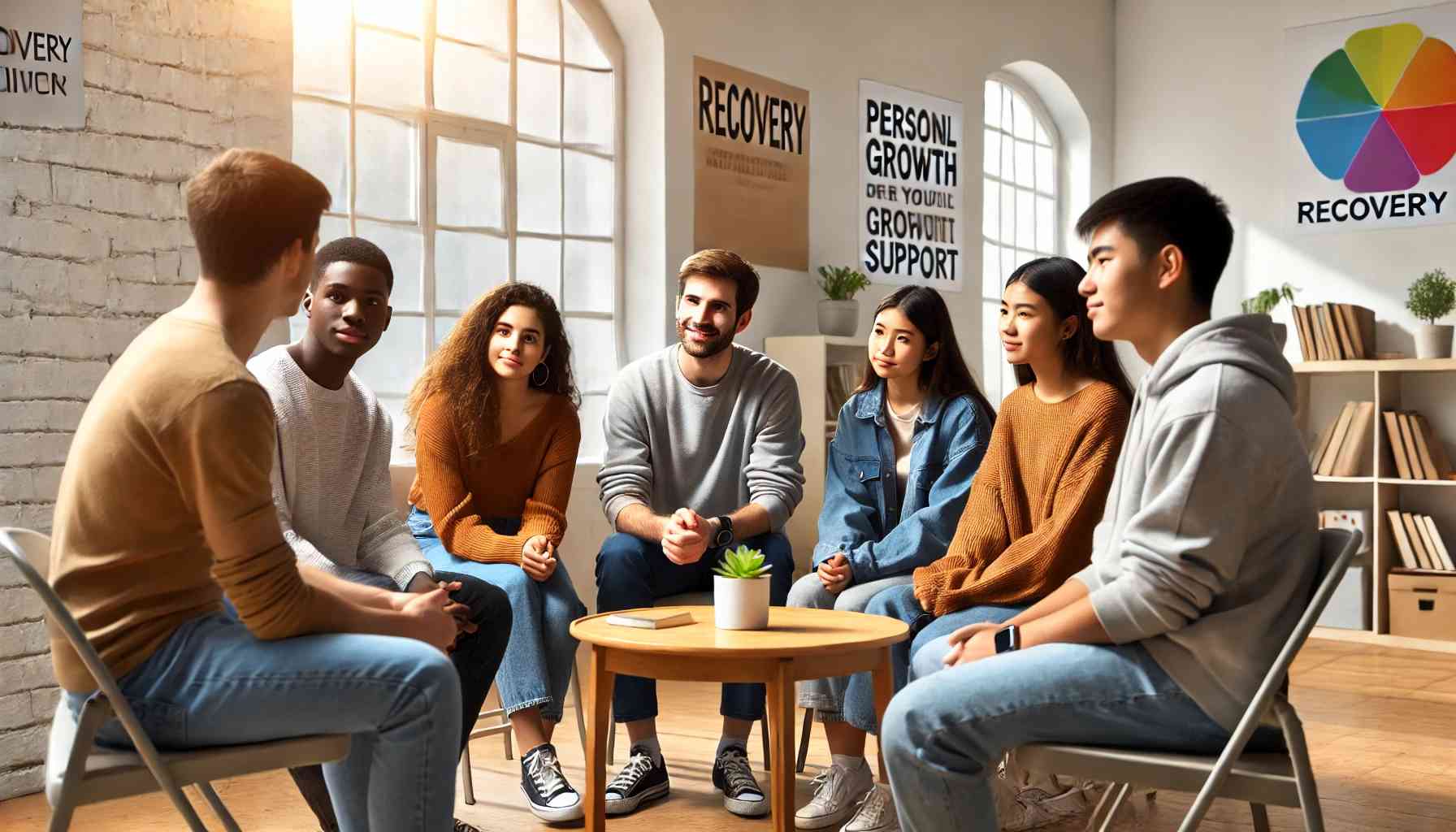
Last Thursday and Friday, I had the privilege of sharing my life experiences with Grade 11 and 12 students of International School of Uganda. The engaging sessions sparked thought-provoking questions, and I’m excited to share some of our insightful conversations.
Question 1: How can someone develop their self-esteem?
My Answer: To improve self-esteem, it’s essential to cultivate self-love and spend quality time with yourself. One powerful way to do this is by embracing solitude. Resolve to find peace in quiet moments, free from distractions. This allows you to:
- Face your thoughts and emotions head-on.
- Confront and overcome fears and insecurities.
- Develop healthy coping mechanisms.
By embracing solitude, you’ll foster a deeper understanding and acceptance of yourself, laying the foundation for genuine self-esteem.
Question 2: How can someone avoid peer pressure?
My Answer: I shared with him that having low self-esteem makes one more vulnerable to peer pressure. Drawing from my personal experiences, I explained how my own low self-esteem led me to seek validation from others, often resulting in unhealthy choices.
The root cause of peer pressure is often a desire for external validation, stemming from unaddressed trauma and low self-esteem. To avoid peer pressure:
- Work on building your self-esteem through cultivating a relationship with God, self-reflection and self-love.
- Acknowledge and confront your traumas, rather than suppressing them.
- Cultivate self-awareness, recognizing when you’re seeking external validation.
In hindsight, acknowledging my own trauma would have spared me from reckless decisions. By addressing our inner struggles, we can develop resilience against peer pressure.
Question 3: Can being in a relationship help heal emotional wounds?
My Answer: I emphasized that true healing can’t be solely reliant on another person. The reality is, people can only give what they have. Expecting a partner to heal your emotional wounds is an unrealistic expectation.
Healing is an individual journey, requiring personal growth and self-reflection. Ultimately, surrendering to God is essential for absolute healing.
Moreover, loving oneself is a prerequisite to loving others. Attempting to find healing through another person can lead to codependency.
- Love yourself first, and then share that love with others.
- Recognize that others can support, but not fix, your emotional wounds.
- Prioritize self-healing and personal growth.
Question 4: What insights can you share on alcoholism?
My Answer: I distinguished between two types of drinkers: social drinkers and alcoholics. Social drinkers can enjoy alcohol without compromising their daily lives, whereas alcoholics lose control once they start drinking.
From personal experience, I shared how alcoholism consumed me, causing me to miss lectures and exams. I highlighted that individuals with traumatic backgrounds, such as:
- Childhood abuse
- Emotional pain
- Dysfunctional family dynamics
are more vulnerable to alcoholism.
Alcoholism is often a coping mechanism for underlying emotional pain.
- It’s essential to address the root causes, not just the symptoms.
- Seeking professional help and support is crucial.
Question 5: What insights can you share on relationships?
My Answer: I shared my personal story, highlighting the importance of self-awareness and healthy boundaries in relationships.
When I fell in love with a low self-esteem, it led to codependency and unhealthy dynamics. I emphasized that genuine friendship is essential in romantic relationships. Who they fall in love with after they graduate will either build them or break them.
To the students, I cautioned:
- Be mindful of your own self-esteem and that of your partner.
- Low self-esteem can compromise relationship health.
- Self-improvement is key to setting healthy boundaries.
I illustrated this with my own experience:
- Self-growth has empowered me to establish boundaries.
- When someone lies, I create space – a boundary promoting peace and protecting against pain.
These are some of the questions the students asked me, along with my answers. They asked me many more during our two engaging hours, but this is what I can share for now.
Reflecting on Our Time Together;
As I reflected on our conversations, I was struck by the students’ eagerness to learn and grow. Their thoughtful questions and engaged listening created a safe space for vulnerability.
Sharing my life experiences, once sources of pain, now served as catalysts for connection and understanding. I realized that my journey, once shrouded in darkness, had become a beacon of hope.
A Lesson in Vulnerability;
In being open and honest, I discovered the transformative power of vulnerability. By sharing my struggles, I helped shed light on the complexities of life.
A Heartfelt Moment;
As I departed, I felt humbled knowing that my story had contributed to sharpening their perspectives. The experience reminded me that our struggles can become powerful tools for inspiring others.
Final Thoughts;
To the students, I leave you with this:
May my story inspire you to confront your challenges with courage and resilience.
May you continue to seek wisdom, ask questions, and explore life’s complexities.
May you find strength in vulnerability and empathy.
Thank You;
To the International School of Uganda, thank you for inviting me to share my journey.